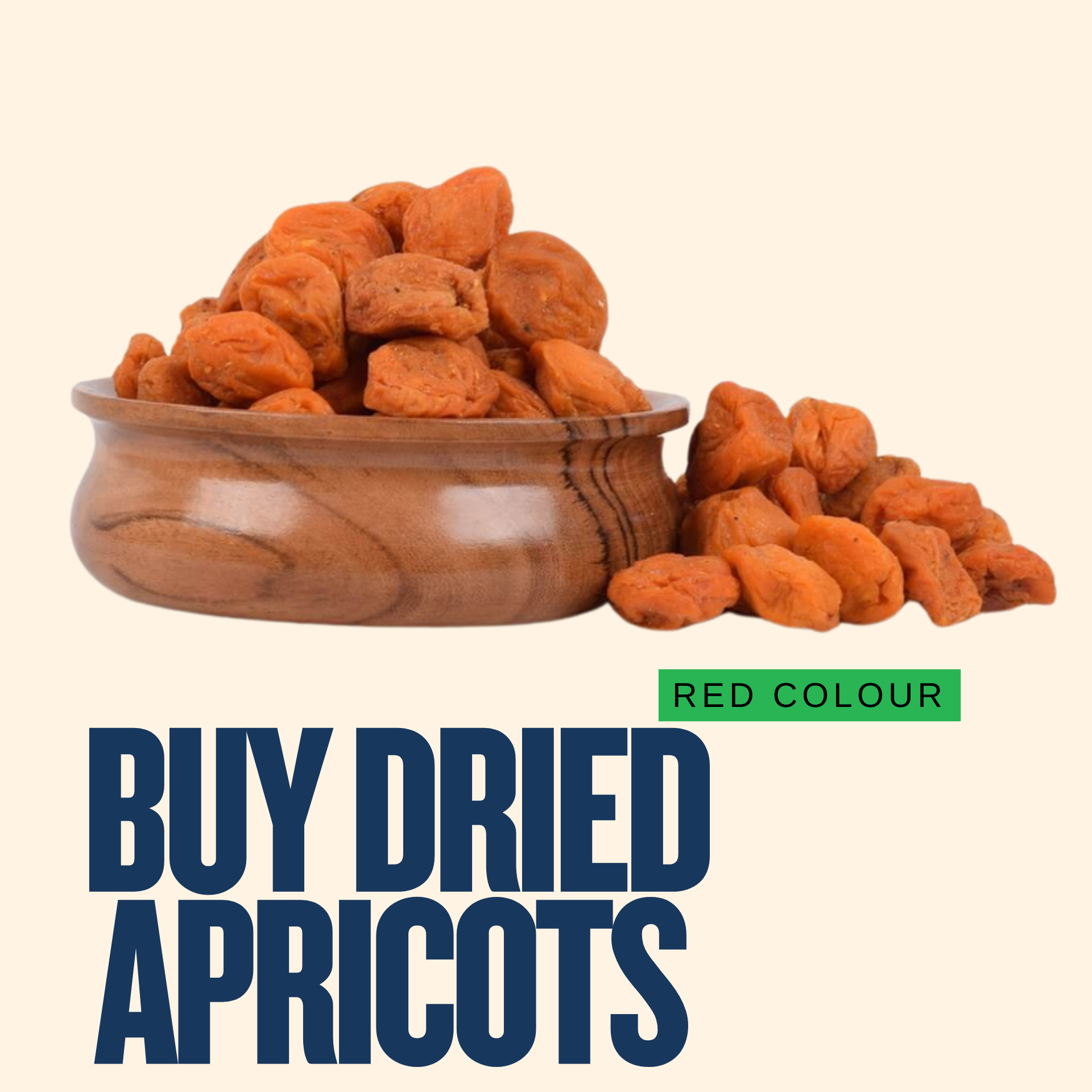
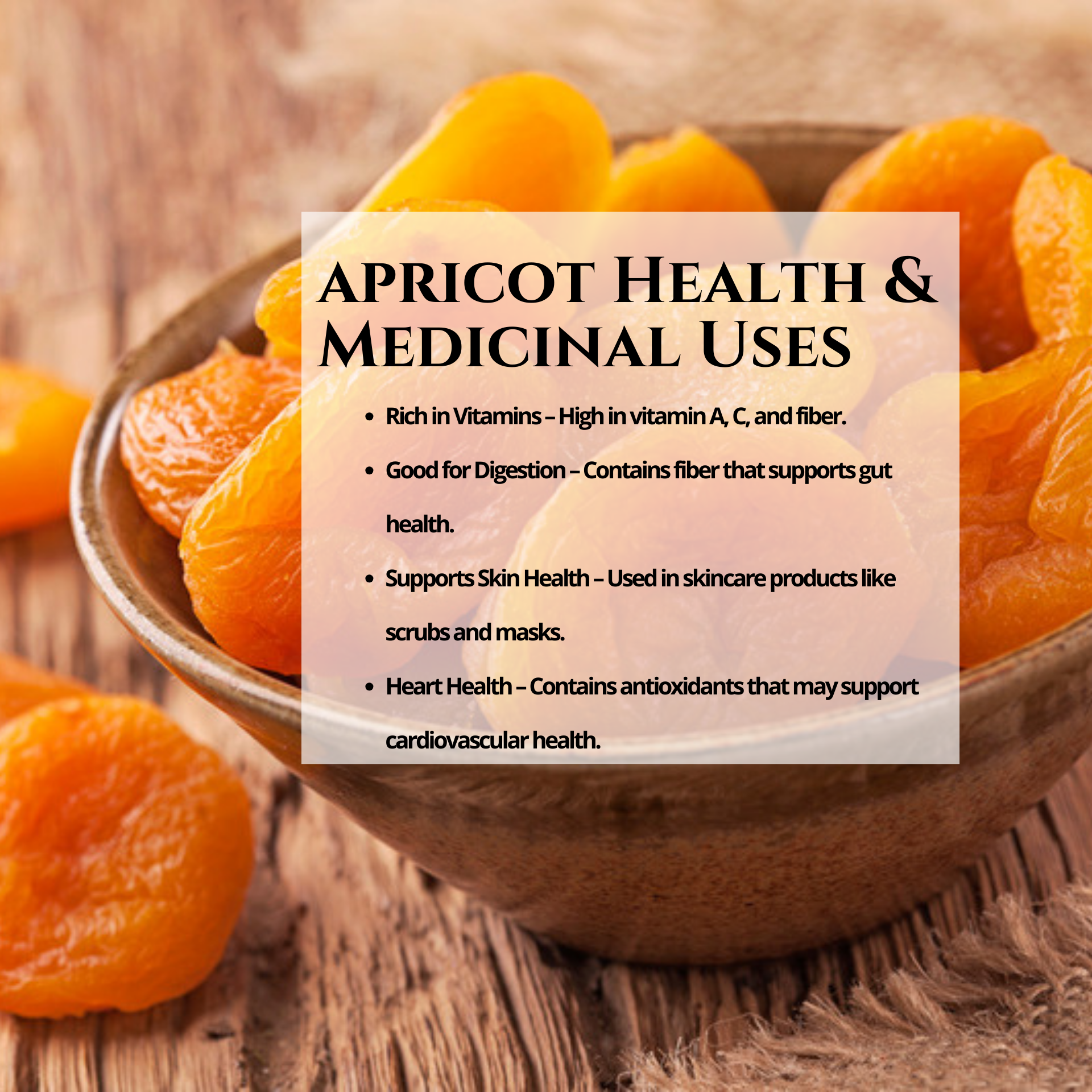
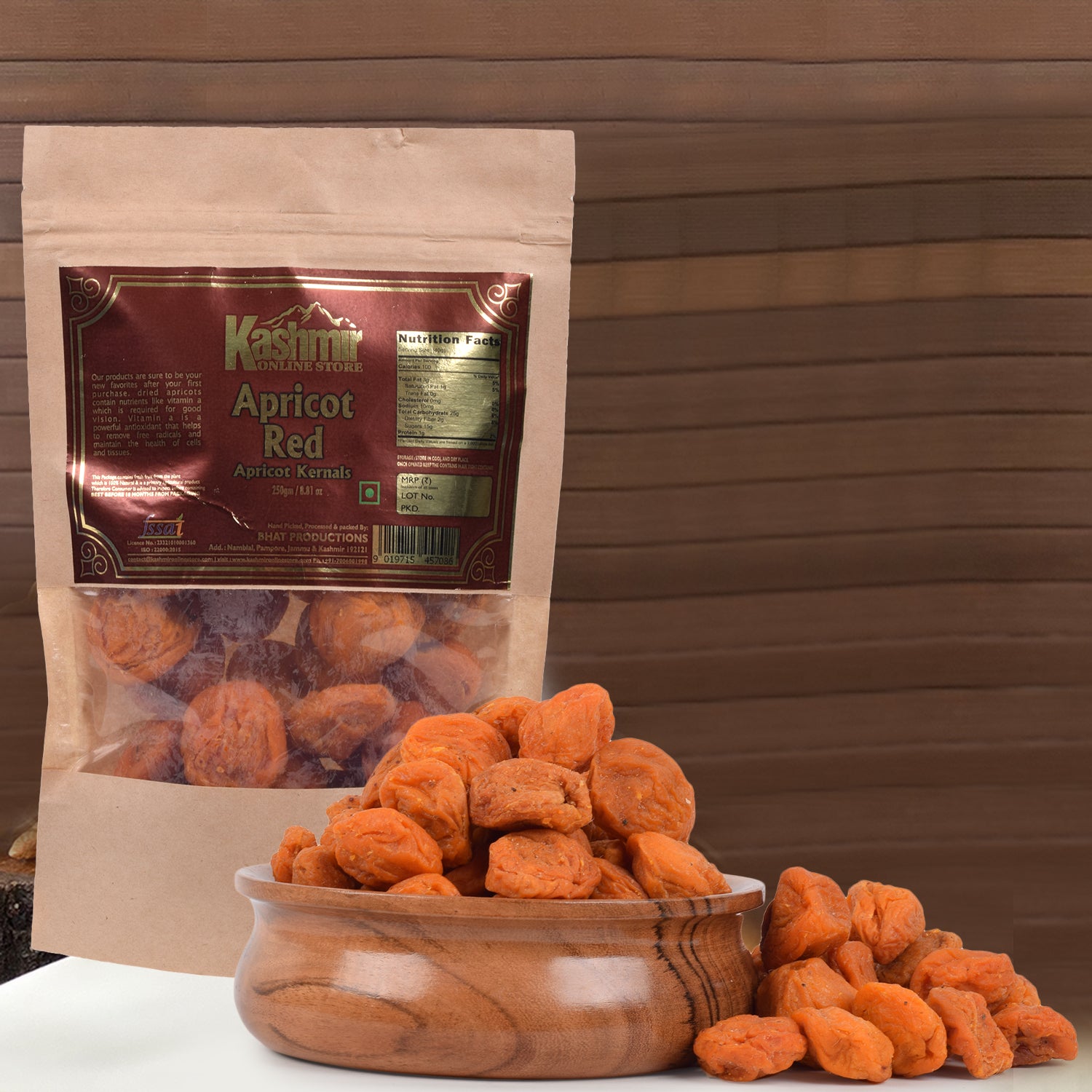
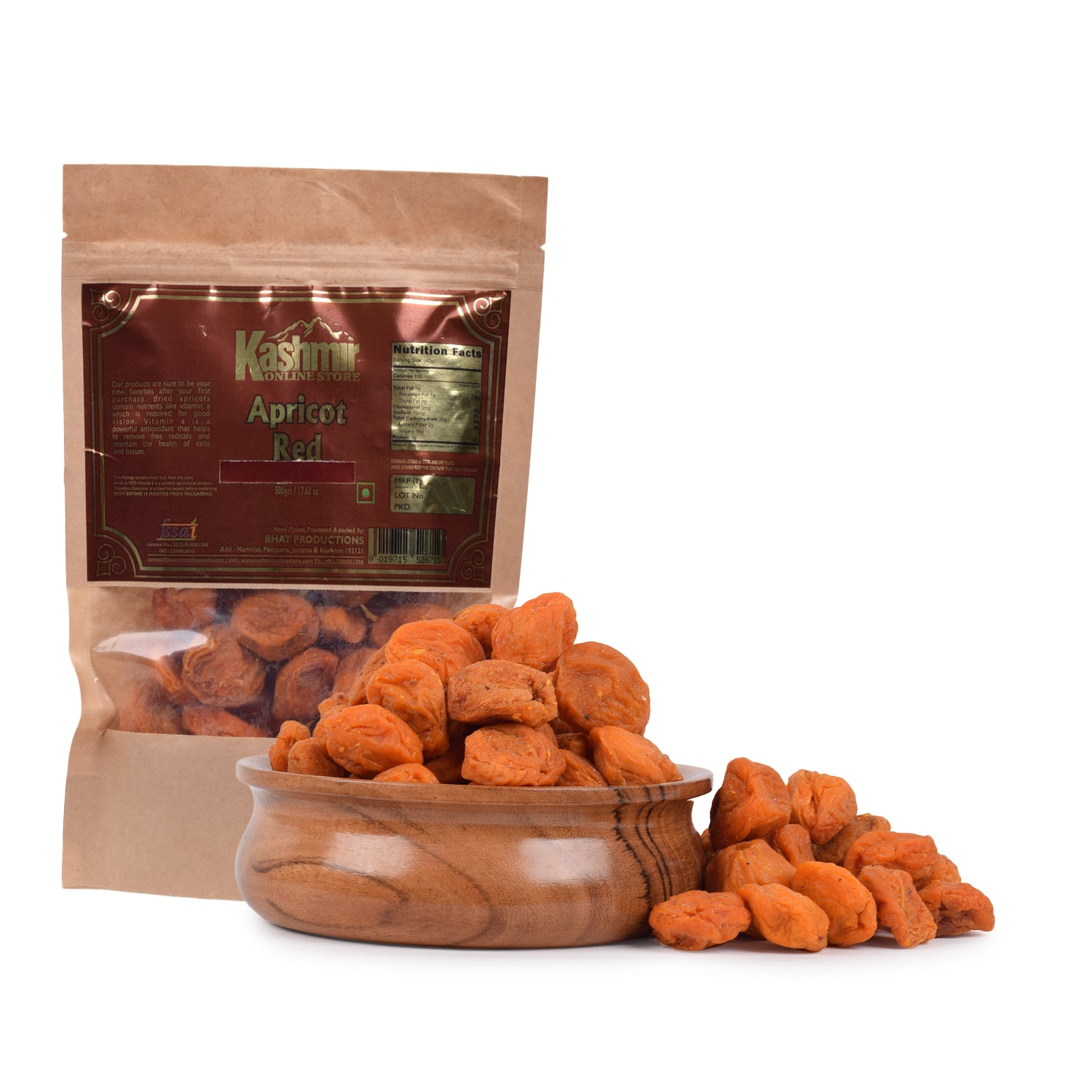
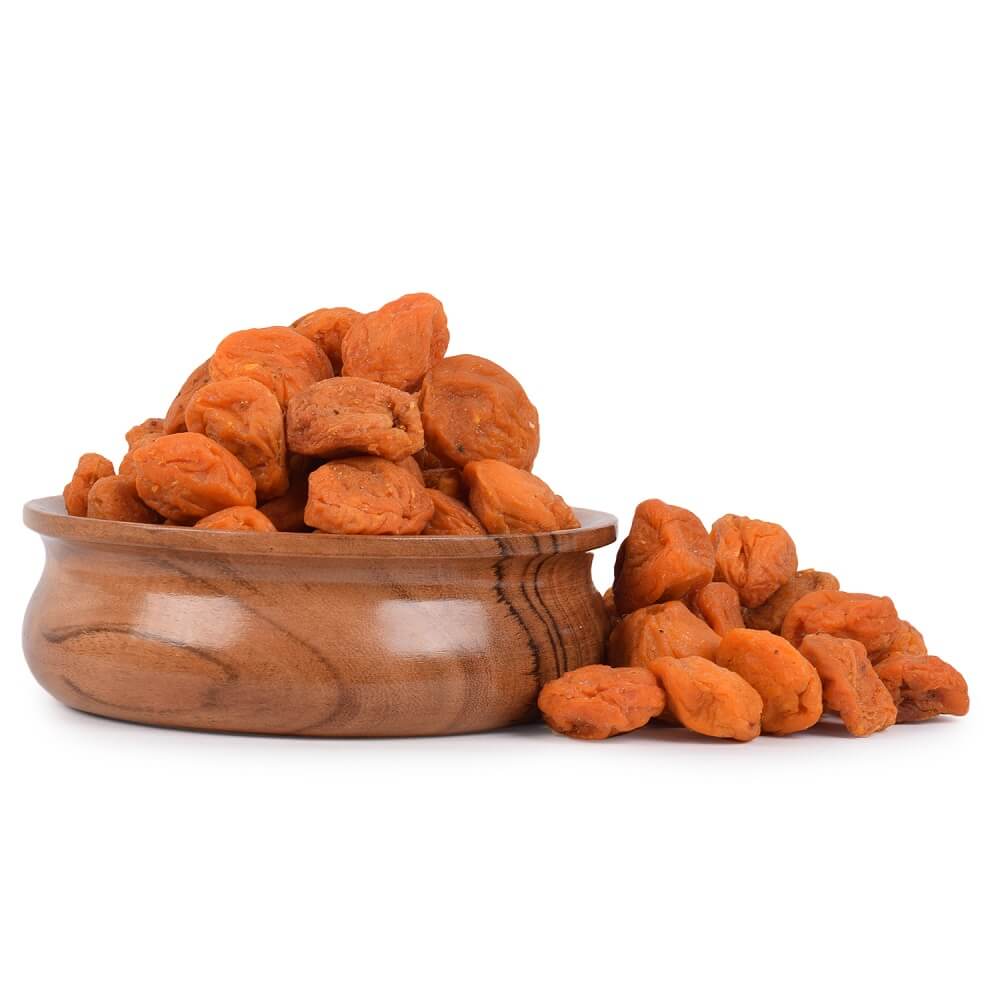
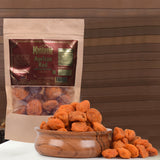
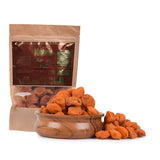
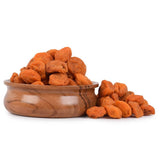
Sun-dried red jardalu — deep amber-red, firm and tart-sweet. The dark colour is the point: it means no sulphur was used to keep them bright.
UntreatedNo sulphur
Tart SweetIntense flavour
Stone InDried whole
250g–2kgPack sizes
Highlights
- Sun-dried whole, with the stone in
- Deep amber-red — natural colour, no sulphur
- Firm texture with a bright tart-sweet flavour
- Soak overnight to soften; keep the sweet soaking water
- For compotes, chutneys, stews and slow eating
- Dispatched from Pampore, Kashmir, with GST invoice
Why these are dark, not bright orange
Most dried apricots on a shop shelf are a vivid orange. That colour does not survive drying on its own — it is held there by sulphur treatment, which preserves brightness and softness.
Untreated apricots do what fruit does: they darken to amber-red as their sugars concentrate. So the shade that looks less appealing in a photograph is the honest one, and it comes with a deeper, more concentrated flavour.
Soak them, and keep the water
These are firm. An overnight soak in water transforms them into something plump and juicy — and the soaking water becomes a sweet apricot liquid. Drink it, or use it in whatever you are cooking. Most people pour it away without realising.
| Detail |
Specification |
| Product |
Dried red apricots (jardalu), stone in |
| Drying |
Sun-dried whole, untreated |
| Colour |
Deep amber-red — natural, no sulphur |
| Flavour |
Tart-sweet, concentrated |
| Pack sizes |
250g · 500g · 1kg · 2kg |
| Storage |
Sealed and cool; refrigerate in humid weather |
Questions
Why are these dark instead of bright orange?
Because they are untreated. Bright orange dried apricots are usually sulphur-treated to hold that colour. Sun-dried fruit darkens naturally to an amber-red as its sugars concentrate.
Do they need soaking?
They are firm, so soaking overnight softens them considerably. Keep the soaking water — it turns into a sweet apricot liquid worth drinking or using in the dish.
Why is the stone left in?
Drying the fruit whole around its stone concentrates the flavour. If you prefer no stone, our seedless khubani is pitted before drying.
How do they compare with white jardalu?
Red jardalu is tarter and more intense; white is milder and gentler. If you find the red too sharp, the white one will suit you better.
Ask us on WhatsApp