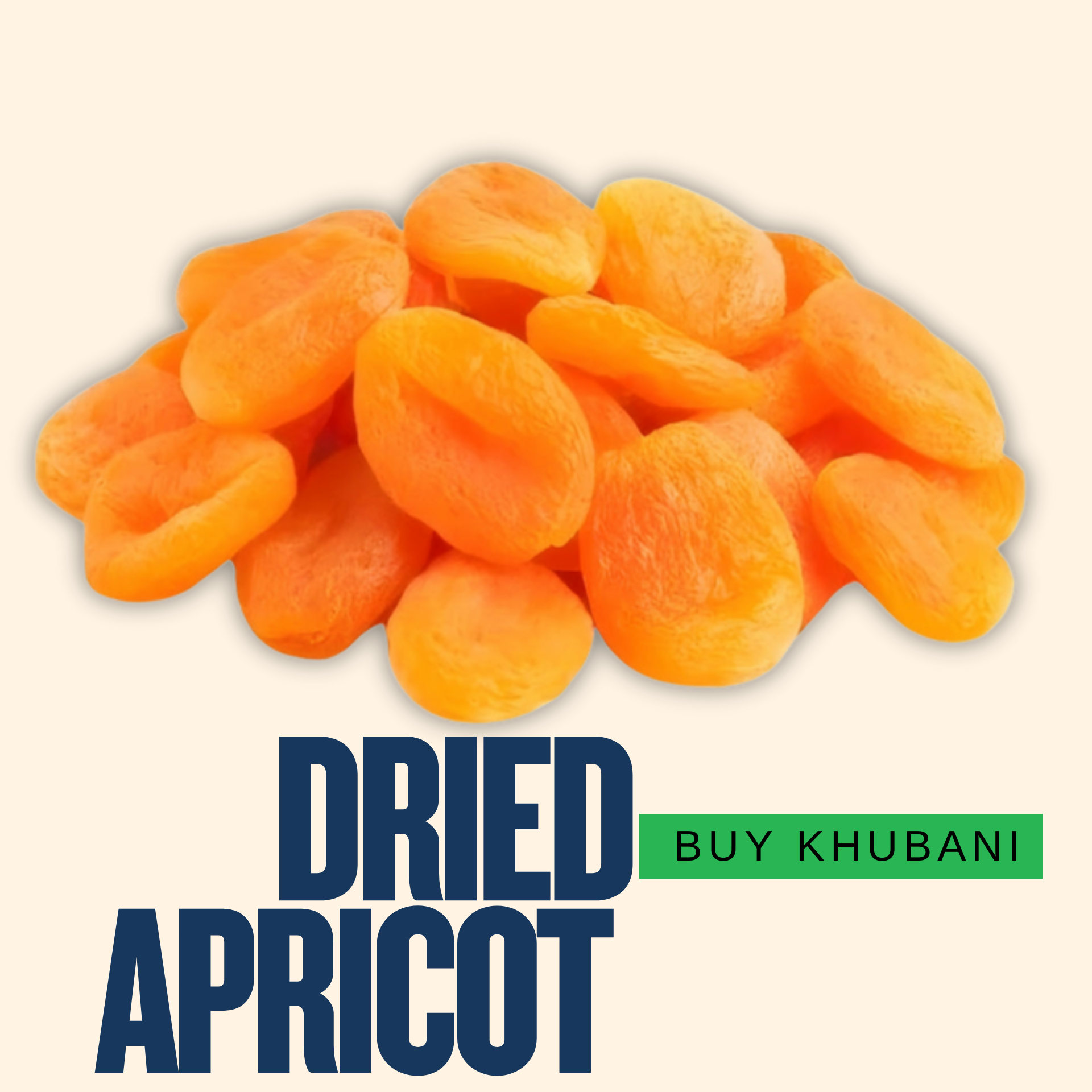
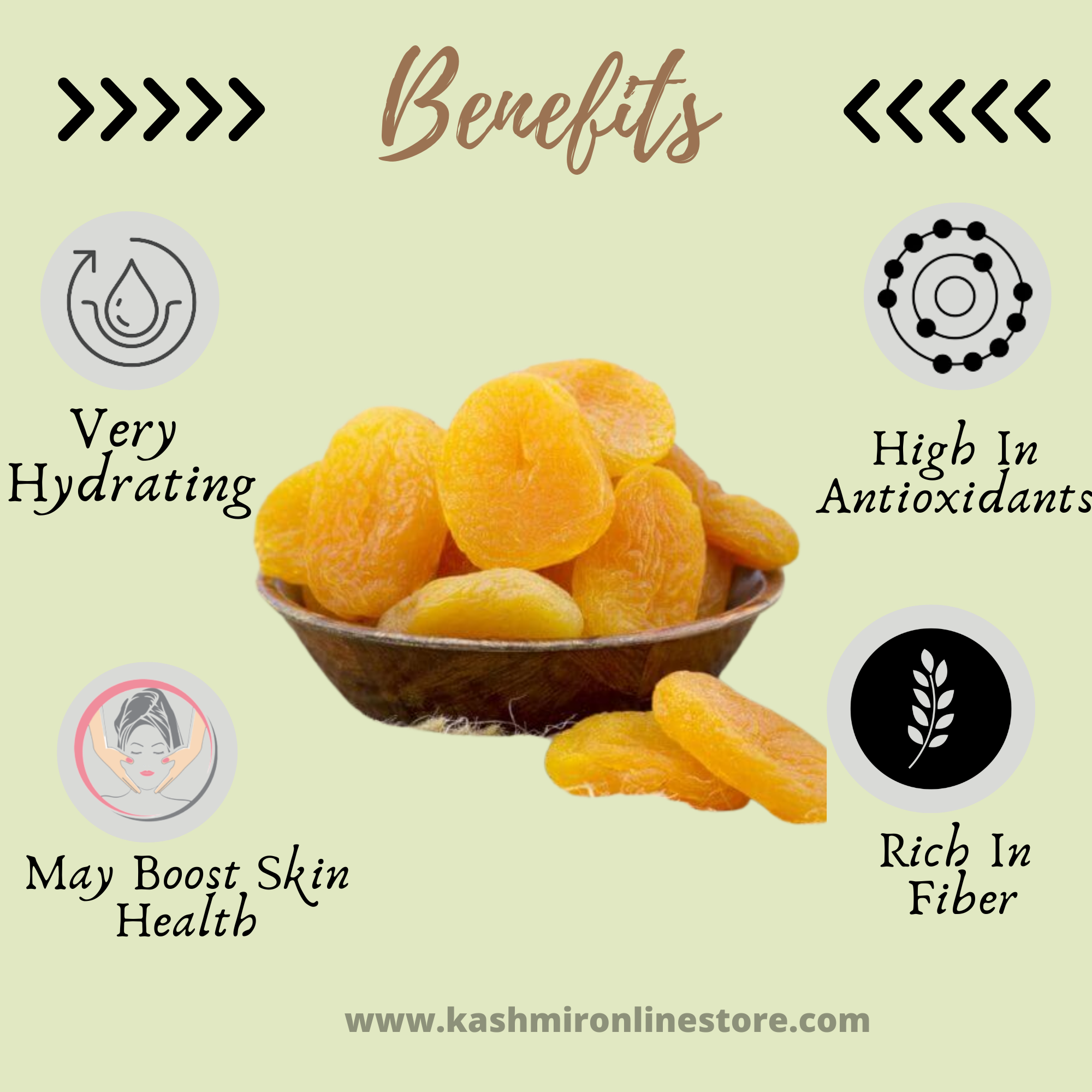
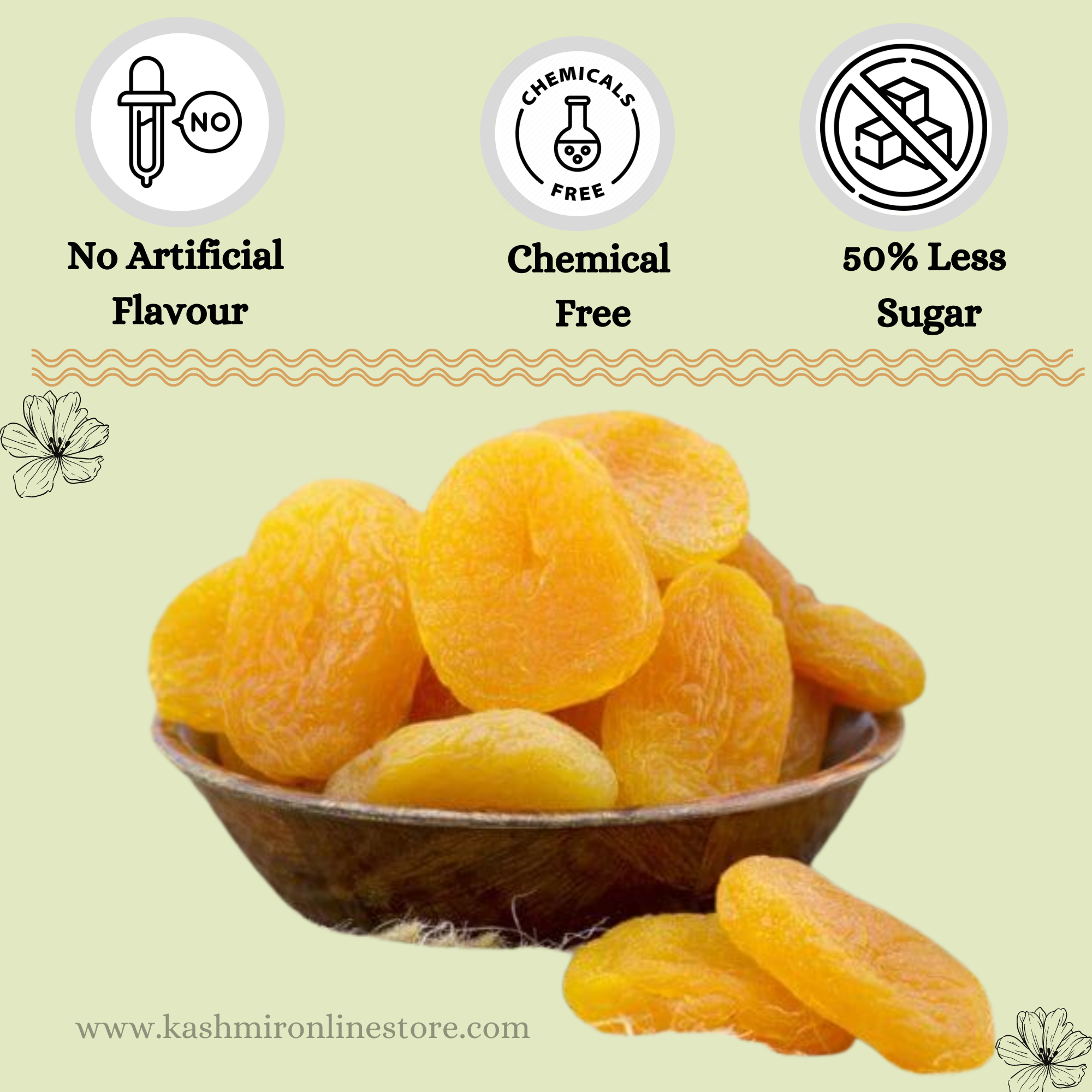
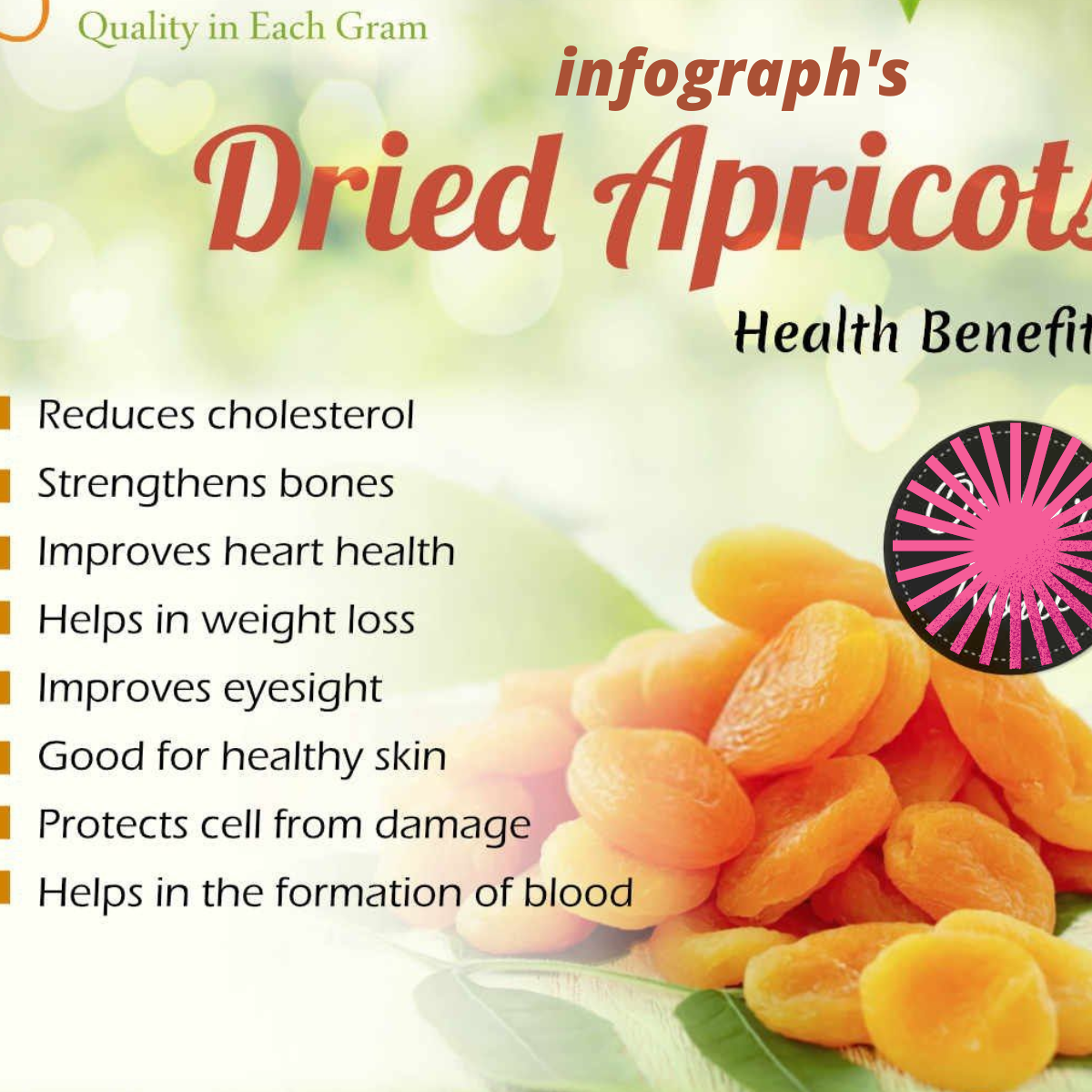
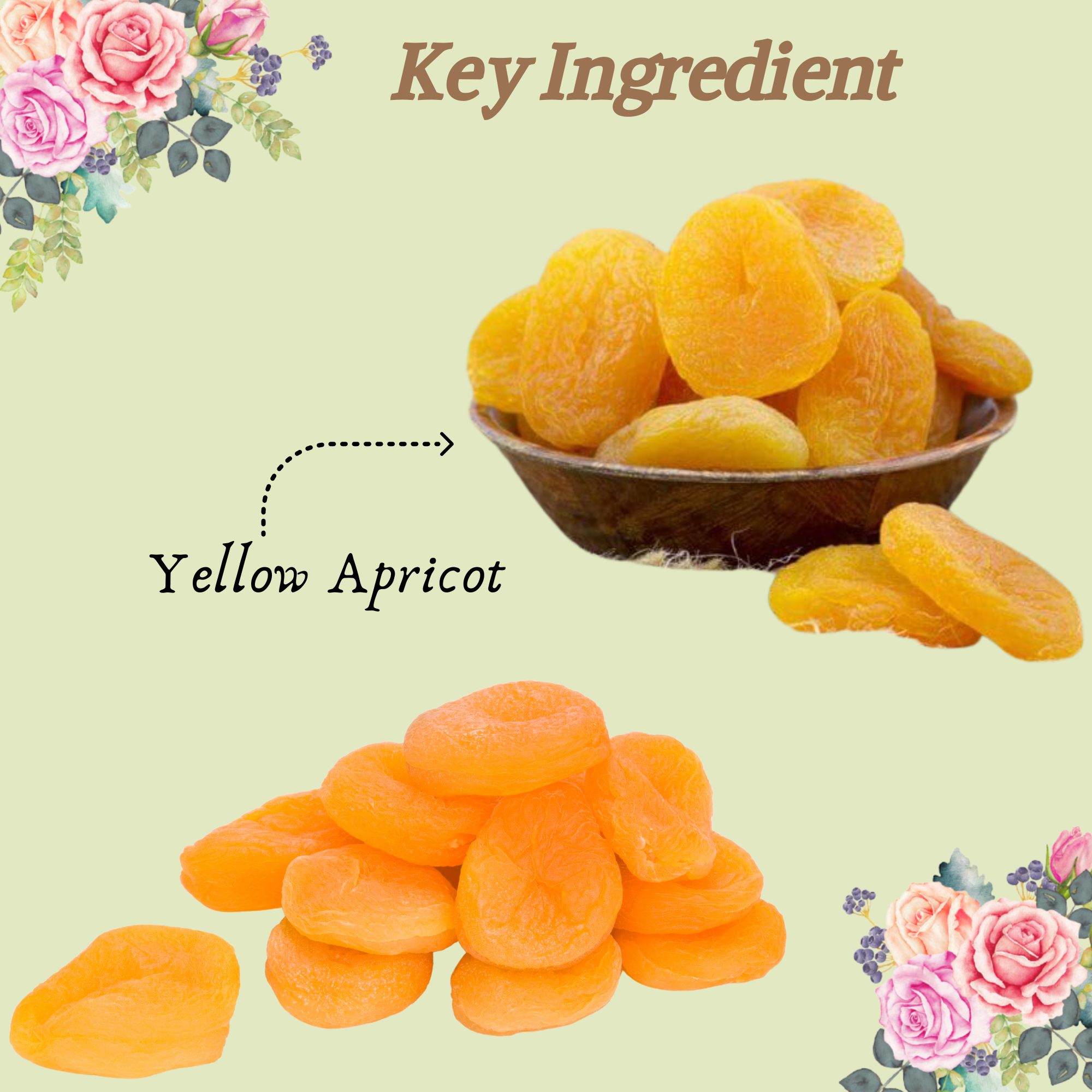
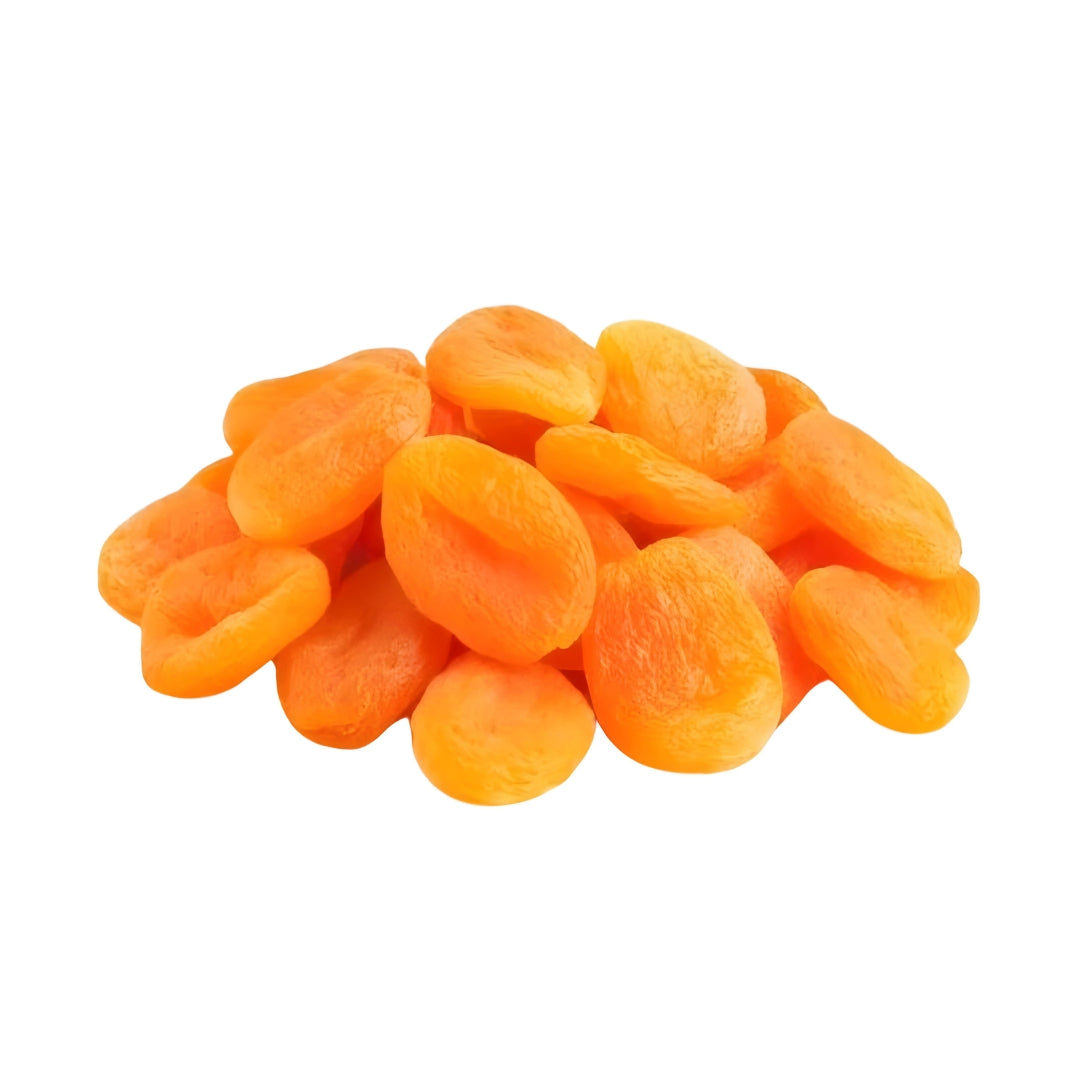
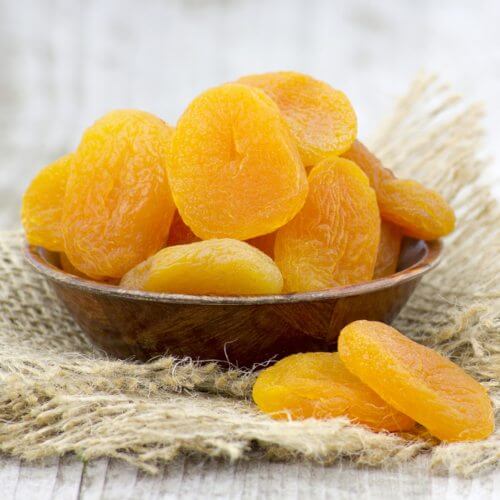
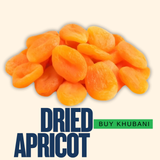
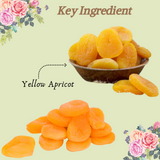
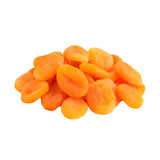
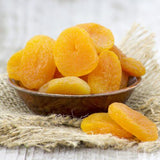
Pitted before packing and softer than whole jardalu, so they chop straight into cooking and go into a lunchbox without a second thought.
Stone Removed
Ready to use
Softer Flesh
Chops cleanly
Child Friendly
No stone to mind
What Seedless Means
Pitted, not a stoneless variety
Worth being precise about, because the word can mislead. Every apricot grows with a stone. Seedless here means the stone was taken out before packing — there is no special variety that grows without one, and anyone claiming otherwise is selling you a story.
What that removal actually buys you is convenience, and quite a lot of it: no preparation step before cooking, nothing to warn children about, and no small hard object to fish out of a dish halfway through.
Why These Are Softer
Opening the fruit changes how it dries
"Whole apricots dry tight around the stone. Pitted ones stay pliable."
An apricot dried intact shrinks slowly around its own stone and ends up firm and dense — that is why red jardalu wants soaking. Removing the stone opens the fruit up, and it dries into a noticeably softer, more pliable piece of fruit.
That softness is the practical difference. These chop cleanly into baking, chutneys and pulao without gumming up the knife, and they are ready to eat with no soaking at all.
Side By Side
Which apricot suits you
Feature
Seedless Khubani
Red Jardalu
White Jardalu
Stone
Removed
In
In
Texture
Softer, pliable
Firm, chewy
Firm, chewy
Flavour
Soft, sweet
Tangy, concentrated
Mild, plainly sweet
Preparation
None
Soak first
None needed
Best for
Cooking, children
Soaking, compote
Eating as is
Using Them
Where the missing stone actually matters
Chop into pulao and biryani. No pitting step, and nothing hard for a guest to bite down on.
Fold into baking and granola, where the softer flesh disperses through the mix instead of sitting as hard lumps.
Cook into chutney with a little vinegar and chilli — apricot chutney is a Kashmiri staple and this is the pack for it.
Keep sealed and cool. Softer and more open than whole apricots, so they pick up humidity faster — refrigerate in the monsoon.
Key Points
At a glance
Stone removed before packing.
Softer and more pliable than whole jardalu.
No soaking or preparation needed.
Chops cleanly into cooking.
The practical choice for children.
Pitted, not a stoneless variety.
Available 200g, 400g, 600g and 800g.
Refrigerate in humid weather.
Buying From Kashmir Online Store
What we will and will not tell you
We explain what seedless actually means.
We will not invent a stoneless apricot variety.
Sorted and packed by us, not bought pre-packed.
FSSAI registered, dispatched from Pampore, Kashmir.
GST invoice on every order, delivery across India.
Product Specifications
The details that matter
Attribute
Details
Product
Dried apricots (khubani), pitted
Stone
Removed before packing
Texture
Soft and pliable
Preparation
None — ready to eat or cook
Pack sizes
200g · 400g · 600g · 800g
Storage
Sealed and cool; refrigerate in humidity
Dispatch
From Pampore, Kashmir, with GST invoice
Seedless, red or white?
Tell us whether it is for cooking, for children or for eating as is — we will point you to the right pack.
The stone has been removed before packing, so there is nothing inside to work around. Apricots always grow with a stone — seedless here means pitted, not a stoneless variety.
Why are they softer than whole jardalu?
Removing the stone opens the fruit, so it dries differently and stays more pliable than an apricot dried whole and intact. That softness is what makes them easy to chop and eat straight away.
Do they need soaking?
No. They are soft enough to eat and cook with as they are, which is the main reason people choose them over whole jardalu.
Are they suitable for children?
With no stone to remove, these are the practical apricot for children and lunchboxes. Cut larger pieces down for very young children as with any dried fruit.
How should I store them?
Sealed in a cool, dry place. Being softer and more open than whole apricots, they take on moisture faster in humid weather, so refrigerate through the monsoon.